





Music Store Inventory Management Software: 7 Features & Top Providers
Marketing can feel like one more thing on an already full plate. When you’re managing inventory, running lessons, and keeping up with day-to-day operations, launching a new campaign is easy to put off.
But effective music store marketing doesn’t require a big budget or a dedicated team. Small retailers who prioritize email marketing see an average return on investment (ROI) of $42 for every $1 spent — and that’s just one tactic on this list.
A music store point of sale (POS) system makes it easier to put these strategies into action — from setting up promotional pricing and sending customer messages to tracking which products and services are actually driving sales.
Here are nine practical, cost-effective music store marketing strategies worth trying today.
9 Cost-Effective Marketing Tips for Music Stores
If you’re struggling to attract new students and gear buyers, it’s a common challenge for independent music stores. Here are nine marketing strategies that are worth your time and won’t break the bank.
1. Develop a Loyalty Program
A loyalty program is one of the easiest ways to keep customers coming back. Here’s how to structure it:
- Reward points for purchases: Offer points for every transaction, redeemable for discounts or exclusive items. Points earned from buying a new guitar could go toward a set of premium strings, for example.
- Let your customers level up: Create tiers — like bronze, silver, and gold — with each level unlocking increasingly valuable perks. Higher tiers might get early access to new products or invitations to members-only in-store events.
- Grant VIP access: Reserve music clinic spots and discounts on high-end gear for your most loyal customers.
A loyalty program keeps customers engaged between purchases and gives them a reason to choose your store over an online retailer.
2. Host Interactive In-Store Experiences
Customers who spend more time in your store spend more money in your store. Here are a few ways to get them to stick around:
- Product demos: Set up demo stations where customers can test instruments and equipment — strumming guitars, playing through amps, trying out the latest gear before committing to a purchase.
- DIY workshops: Host workshops where customers can build or customize their own instruments. Help customers find the right mouthpiece for their clarinet, strings for their guitar, and accessories for their drum kit.
- Jam sessions: Organize regular jam sessions or open mic nights to give artists a chance to showcase their talents.
Your POS can handle sign-ups and reminders to keep attendance consistent week to week. Interactive experiences turn your store into a destination for musicians rather than only a place to buy gear.
Related Read: 9 Ways To Build a Music Store Website With Users in Mind
3. Run Themed Events and Sales
Themed events bring new energy to your store and give customers something to look forward to. Consider these ideas:
- Vintage gear days: Showcase classic instruments and gear with themed discounts and exclusive items. A day dedicated to vintage guitars or drum kits attracts collectors and nostalgic players who might not come in otherwise.
- Holiday specials: Create holiday-themed promotions and events, like a gift-focused gear sale around Black Friday. Your POS system makes it easy to set up and track special promotional pricing so seasonal sales run smoothly.
- Genre-specific days: Focus on a specific style or genre — a blues guitar day with related gear, workshops, and live performances, for example.
Themed events attract different customer segments and keep your store feeling fresh throughout the year. (Image source: @bradsoop )
User-generated content (UGC) is any content your customers create and share about your store — and it’s some of the most effective marketing you can get. A potential customer is far more likely to trust a peer’s recommendation than anything you post yourself.
Here’s how to encourage it:
- Photos and videos: Ask customers to share photos or videos of themselves using your products. A customer posting a video of their new guitar solo or a drum cover is an authentic endorsement that no ad budget can replicate.
- Reviews and testimonials: Your music shop POS system can automatically prompt customers to leave reviews — social proof you can share on your website and social media.
The best part? UGC costs you nothing but a little encouragement.
5. Create and Optimize Your Website for Local SEO
A website built with music-specific POS software can support both online sales and local search visibility.
Here are the features worth prioritizing:
- Product catalogs: Display your full range of instruments, equipment, and accessories so customers can browse from any device before visiting in person.
- Online purchases: Let customers buy instruments, sheet music, and accessories directly through your site — expanding your sales beyond store hours.
- Real-time inventory sync: Choose a POS that syncs online and in-store inventory in real time. Accurate stock information improves your visibility in local searches that include “in stock” filters.
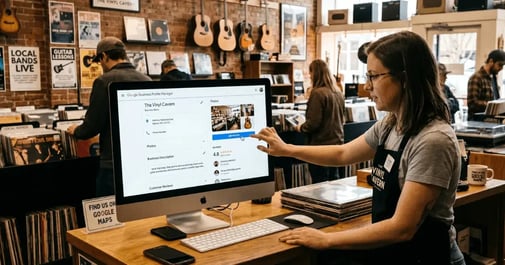
- Google Business Profile: Keep your profile updated with accurate store information, photos, and customer reviews so your business appears in local searches and on Google Maps.
- Local keywords: Work phrases like “music store in [your city]” into your website content, meta descriptions, and page titles.
A well-optimized website built on music-specific POS software makes your store easier to find — and easier to buy from.
6. Expand Your Online Presence With a Music Blog
A music-focused blog is one of the most cost-effective ways to drive traffic to your website and establish your store as a local authority. Topics worth covering:
- Product reviews: Write detailed reviews of new instruments and gear. A review of the latest electric guitar helps potential buyers make decisions — and keeps them coming to your site.
- How-to guides: Cover practical topics like how to choose the right amplifier or tips for maintaining a drum kit.
- Artist spotlights: Feature local musicians and their favorite gear or advice for aspiring players.
- Music trends: Discuss emerging trends and how they connect to the products you carry.
- Trending products: Use your POS reports — like sales by category — to identify what’s selling and turn that data into relevant content ideas.
Consistent blogging improves your website’s search engine optimization (SEO) and gives customers a reason to come back for more.
7. Engage With Your Community Through Sponsorships
Getting involved with your local music community puts your store’s name in front of the right people — and builds goodwill that advertising can’t buy. Here are a few ways to get started:
- School music programs: Donate equipment or funding to local bands and music programs. Stores that invest in young musicians tend to earn lasting loyalty from families and educators.
- Community events: Back local music festivals or charity events. The visibility is valuable, and the association with something meaningful resonates with customers.
- Music competitions: Host or support music competitions and offer prizes or scholarships. These events draw aspiring musicians and their families directly to your store.
- School and community accounts: Use your POS to manage special pricing, purchase orders, and invoicing for sponsored organizations like school band programs — keeping these relationships organized and easy to track.
Community sponsorships build the kind of reputation that keeps your store top of mind when musicians need gear, lessons, or repairs.
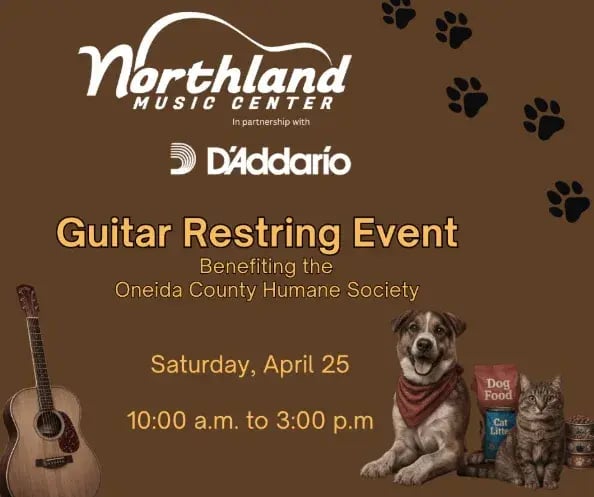 (Image source: Northland Music Center)
8. Offer Music Lessons
A lesson program brings students and their families into your store on a weekly basis — building community, driving consistent foot traffic, and creating loyal customers who keep coming back for years. Here’s how to get the most out of it:
- Streamline management with POS software: Use an integrated POS to manage scheduling, teacher assignments, and billing in one place. Automate reminders to reduce missed appointments and keep your program running smoothly.
- Connect lessons to product sales: Offer starter packs for new students that include an instrument, essential accessories like strings, picks, and tuners, and a discounted first month of lessons. Bundling products with lesson enrollment increases order value and sets students up for success.
- Build community through recitals: Host student recitals and workshops to strengthen your in-store music community. These events drive foot traffic and create natural buying moments for performers’ friends and family.
Over time, lesson families often purchase additional instruments, upgrade gear, and refer others — making your lesson program one of your best long-term marketing tools.
Related Read: Teaching Revenue Reality: Are Music Lessons Actually Profitable?
9. Personalize Customer Interactions
Personalization doesn’t have to be complicated. Your POS system makes it easy to treat customers as individuals rather than a single audience.
Here’s how your POS system helps:
- Build customer profiles: Track each customer’s purchase history automatically through your POS — giving you a clear picture of what they buy, how often they visit, and what they’re likely to need next.
- Create customer segments: Group customers based on purchase behavior — separating guitarists from drummers, or lesson students from gear-only buyers — so you can tailor your messaging to each segment.
- Send targeted messages: Use the segments you’ve created to reach customers with customized emails, relevant offers, product recommendations, and updates. A lesson student and a gigging musician have different needs — your messaging should reflect that.
- Make relevant recommendations: Suggest products and services that match individual purchase history. Recommend lesson books based on a student’s instrument, or strings and picks to customers who recently bought a guitar.
Personalized marketing helps your store feel less like a retailer and more like a resource — and that’s what keeps customers coming back.
Put Your Music Store Marketing on Autopilot With Music Shop 360
Music Shop 360 brings your marketing tools into the same platform you use to run your store. Detailed customer tracking and sales history let you segment your audience and send personalized emails and SMS messages — without building separate lists or switching between systems.
Scheduled promotions, loyalty programs, and automated review requests keep your marketing running consistently in the background. Birthday and anniversary campaigns build stronger customer relationships, while SEO tools help new customers find you online.
Schedule a free demo today to see how Music Shop 360 can support your music store marketing strategy.


Taylor has eight years of experience working closely with music stores, including two as the Music Shop 360 General Manager. His deep industry knowledge helps him develop point of sale solutions that address the unique challenges music stores face. Passionate about music and dedicated to supporting small businesses, Taylor’s mission is to empower music store owners with technology that adapts to evolving consumer shopping habits. "I’m all about giving music retailers the tools to stand toe-to-toe with the big guys. Watching small businesses succeed in this fast-paced world is what makes my job so fulfilling."