




15 Music Store Promotion Ideas To Try Today
How is payment processing set up at your music store?
While cash was once the most common form of payment, credit and debit cards now account for 70% of in-person transactions, with digital payments making up another 15%. To accommodate these payment methods, your music store needs both compatible hardware and capable software.
Some modern point of sale (POS) systems offer integrated music shop payment processing. A POS system that doubles as a payment processor creates a more convenient checkout experience for your customers.
In this blog, we’ll explain what integrated payment processing is and how it can benefit your music store.
Let’s get started.
What Is Integrated Payment Processing?
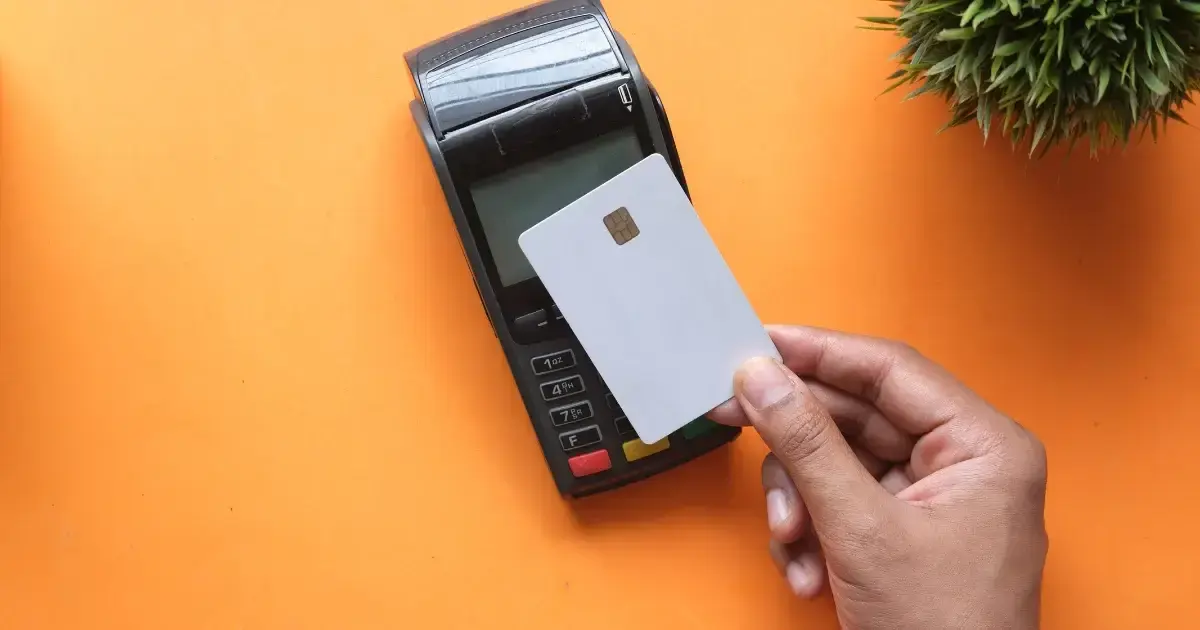
Payment processing providers make it possible for businesses to accept card and digital payments from customers. These transactions typically require a physical card reader, and when a card is swiped or tapped, the payment processor transfers funds in exchange for a fee.
Many modern businesses use a POS system, which provides a digital interface for checkout along with tools for managing other day-to-day tasks. Some stores use a card reader that operates separately from the POS. This is called nonintegrated payment processing. In these cases, staff have to manually enter the sale total into the reader after ringing up the transaction.
Let’s say you’re experiencing a back-to-school sales rush. Students and parents fill the store, ready to buy or rent flutes, trumpets, and trombones. Lines start to form, and you can tell customers are getting impatient. If you’re using nonintegrated processing, you have an extra step that extends the checkout process — and some customers may not be willing to wait.
Integrated payment processing occurs when the POS system also functions as the payment processor and connects directly to the card reader. The sale total automatically appears on the reader, eliminating the need for manual entry.
During the back-to-school rush, that efficiency speeds up checkout so each student gets an instrument without extended wait times. This improves the experience for every customer and helps you maximize sales.
Related Read: Improve Music Store Profit Margins: 5 Tips & Tools
Flat Rate vs. Interchange Plus Pricing — What To Know
If a customer wants to use a card or digital wallet to pay for any product or service at your store — whether it’s a guitar, tuner, carrying case, or a lesson — a payment processor must be involved.
When a transaction is made, you’re charged fees by both the payment processor and the card network. The four major card networks are Visa, Mastercard, American Express, and Discover. Payment processors typically structure these charges using either a flat rate or interchange plus pricing.
With a flat rate, the processor charges the same percentage for every transaction, regardless of the card or digital payment used. Because the percentage stays consistent, this pricing model is more transparent for business owners.
With interchange plus pricing, you pay the interchange fee set by the card network, plus a fixed markup from the payment processor. As a result, the percentage you pay varies depending on the type of card used.
Payment processors that charge flat rates include Shopify, Square, and Clover. Processors that offer interchange plus rates include Stax and Helcim.
Not all payment processors offer flat rates, but for those who do, the consistency makes fees easy to understand and track. Interchange plus pricing, on the other hand, fluctuates from transaction to transaction, which can make costs harder to monitor. This pricing model is also more likely to include additional or less obvious fees.
6 Key Benefits of Integrated Payment Processing
Integrated music shop payment processing offers several key advantages over nonintegrated systems. Here’s what you get with an all-in-one platform:
- Faster checkout: When your POS system also functions as your payment processor, the customer’s total appears instantly on the card reader, cutting out extra steps. Integrated processing speeds up the transactions, giving staff more time to answer questions about instruments or supplies without holding up the line.
- Fewer errors: Integrated payment processing eliminates the need to manually enter totals into a card reader. Even careful employees can make mistakes, and overcharging or undercharging can cause confusion and frustration at the register.
- Broader payment acceptance: Modern POS systems with integrated payments can handle cash, cards, and digital methods like Apple Pay and Google Pay, making it easier to sell instruments and services to more customers.
- Enhanced security: Integrated processing tends to be more secure than nonintegrated setups because only one system handles card data. With payments and POS security in the same place, you have greater control over access.
- Unified support: With an integrated system, your POS and payment services share the same support team. If an issue arises, you only need to contact one provider, making problems easier to diagnose and resolve. If an instrument’s barcode fails to scan or a card can’t be read, fast and helpful customer service can be critical to ensuring the sale goes through.
- Improved profitability: Integrated processing saves time, reduces payment issues, and avoids extra fees often associated with nonintegrated processors, helping your bottom line.
These benefits have led many businesses to switch from nonintegrated payment processing to integrated systems.

Manage Rentals, Repairs, and Lessons With Integrated Payments
Integrated payment systems do more than process instrument sales — they also make it easier to manage services like rentals, repairs, and lesson scheduling. Like any sale, charges for these services go through the payment processor.
Some POS systems are designed for specific industries, and a music shop POS often includes built-in modules for music-related services. An integrated payment system simplifies tracking which services have been paid for.
For example, if you’re renting out a clarinet, you can set up a contract in your POS, collect the first month’s payment, and record it automatically. You can then view details for all current and past rentals, including what’s been paid and what’s still outstanding.
If you’re repairing a violin, you can create a work order, take a deposit, and record it in the system. Refunds can also be processed through the POS, keeping all data accurate and avoiding confusion.
If a customer signs up for a guitar lesson, your POS can help you set up a contract and a customer profile for the student. You can then process payment and record that the lesson has been paid. A scheduling tool can also add the lesson to your calendar and assign an available teacher. With an integrated POS, your service records stay organized and reliable.
Related Read: Musical Instrument Repair Pricing: Labor, Parts, and Profit
How To Choose the Right POS for Music Shop Payment Processing
There are a variety of POS providers on the market. As you choose one for your music store, consider these factors:
- Integrated payments: A POS with built in payments simplifies your work as a business owner and improves customer experience.
- Industry-specific software: A music-store POS comes with features that general systems don’t offer. These can include rental and repair modules, lesson scheduling, and access to music supplier catalogs.
- Transparent rates: Your payment processor should clearly explain your rates. If anything is confusing, ask an agent to clarify. Look for a provider who gives straightforward answers about fees and what affects them.
- Reliable support: Choose a POS provider with a responsive support team. Prompt help can resolve system or payment issues quickly, preventing lost sales.
If a POS system meets these requirements, it’s likely a good fit for your music store.
Related Read: POS Training for Music Store Employees: 6 Tips
Offer Convenient Payment Processing With Music Shop 360
Integrated payment processing with a POS system is the most efficient way for modern music stores to make sales. It allows for faster checkout, fewer errors, enhanced security, and acceptance of multiple payment types, so you can serve more customers.
While there are many POS options available, an industry-specific solution tailored to your business offers the greatest benefits.
Music Shop 360 is a cloud-based POS solution built specifically for music stores. Its integrated payment processing combines general and music-specific features, helping them work seamlessly together.
You can ring up sales and manage services like rentals, repairs, and lessons directly from the POS. Our software also includes inventory management, e-commerce tools, website features, and marketing support, so you can run all aspects of your business from one platform.
At Music Shop 360, we want to help you get the features you need at a price you can afford. Check out our Build and Price tool to see which plan is right for your music store!

Taylor has eight years of experience working closely with music stores, including two as the Music Shop 360 General Manager. His deep industry knowledge helps him develop point of sale solutions that address the unique challenges music stores face. Passionate about music and dedicated to supporting small businesses, Taylor’s mission is to empower music store owners with technology that adapts to evolving consumer shopping habits. "I’m all about giving music retailers the tools to stand toe-to-toe with the big guys. Watching small businesses succeed in this fast-paced world is what makes my job so fulfilling."